The Ford F-150 has been the best-selling truck in America for decades, and for good reason. It’s a workhorse, a family hauler, and a lifestyle icon. However, no vehicle is perfect. Over its long history, certain model years have developed “reputations” for specific mechanical headaches. Whether you are daily driving a classic 1988 ford f150 common problems survivor or maintaining a modern 2011 f150 common problems powerhouse, knowing what to look for can save you thousands in repair bills.
In this guide, we break down the most frequent ford f150 common problems by generation and year, providing you with the knowledge to keep your truck on the road instead of on a tow truck.
Keep Your F-150 Running Like New
Prevention is always cheaper than a cure. Using high-quality diagnostic tools and premium replacement parts is the secret to high-mileage success.
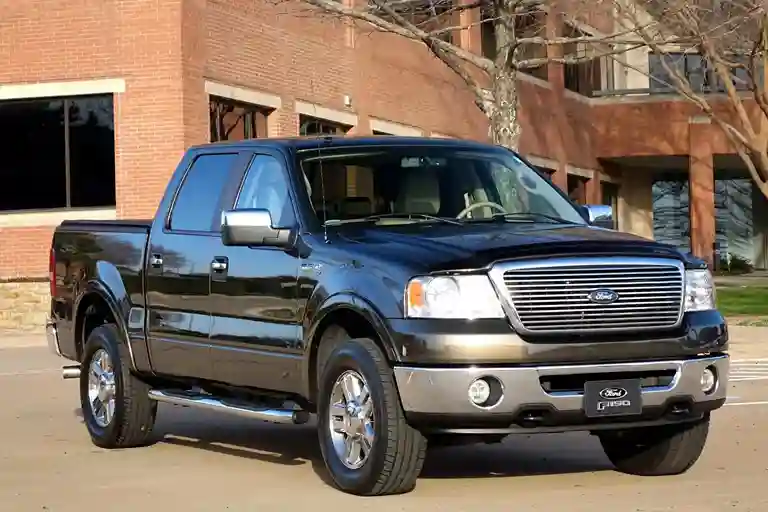
Generational Deep-Dive: Common Issues and Fixes
The Classic OBS Era (1988–1996)
The “Old Body Style” F-150s are legendary for their durability, but age brings inevitable wear.
- 1988 ford f150 common problems: Fuel system issues are the big one here. These trucks often featured dual tanks, and the selector valves or the 1988 ford f150 fuel pumps are known to fail, causing the truck to stall or refuse to switch tanks.
- 1992 ford f150 common problems: Watch out for “slop” in the steering column and rust in the rear wheel arches. Electrical grounding issues are also common as the wiring harnesses age.
- 1995 ford f150 common problems: The TFI (Thick Film Ignition) module is a frequent failure point, often heat-soaking and causing the engine to die unexpectedly.
The Tenth Generation (1997–2003)
This was a massive redesign for Ford. While comfortable, it introduced a few “quirks.”
- 1997 ford f150 4.6 l common problems: The 4.6L V8 is a tank, but it is notorious for leaking coolant from the plastic intake manifold crossover.
- 2001-2003 f150 common problems: This era is famous for “ejecting” spark plugs. The aluminum heads had too few threads, leading to plugs blowing out and damaging the threads. The 2002 ford f150 common problems list also includes failing door lock actuators and odometer blackouts.
The “Triton” Troubles (2004–2008)
This generation is perhaps the most documented in terms of 2005 ford f 150 most common problems.
- 2004-2006 f150 common problems: The 5.4L 3-valve Triton V8 engine is the source of most complaints. Issues include cam phaser “ticking,” timing chain guide failure, and spark plugs that break off inside the head during removal.
- 2007-2008 f150 common problems: While Ford improved the spark plug design mid-2008, the 2008 ford f 150 issues still revolve around transmission shudders and 4WD IWE (Integrated Wheel End) vacuum leaks.
The Shift to Tech (2009–2011)
- 2009-2010 f150 common problems: The 2010 ford f150 xlt problems often involve the 6-speed transmission’s “lead frame” failing, which can cause the truck to suddenly downshift into first gear while on the highway.
- 2011 f150 common problems: This was the debut year for the EcoBoost engines. Early 3.5L EcoBoosts suffered from “intercooler condensation,” causing a misfire under hard acceleration in humid weather.
Summary Table: F-150 Problem Hotspots
| Model Year(s) | Primary System | Common Problem Description |
| 1988 – 1995 | Fuel / Ignition | Dual tank selector failure; TFI module heat failure. |
| 1997 – 2003 | Engine / Body | Spark plug ejection; rusted cab corners; 4.6L intake leaks. |
| 2004 – 2008 | Engine / 4WD | Cam phaser rattle; broken spark plugs; IWE vacuum leaks. |
| 2009 – 2011 | Transmission | Lead frame failure; EcoBoost intercooler moisture. |
How to Avoid “Buying a Headache”
If you are shopping for a used truck, especially a 2004 f150 or a 2010 f150 common problems candidate, always perform these three checks:
- The Cold Start Listen: Listen for a rattle in the first 2 seconds. A rattle on a 5.4L or early 3.5L EcoBoost usually means a $2,500+ timing chain job is coming.
- Fluid Inspection: Check the transmission fluid. If it smells burnt or looks like chocolate milk, walk away.
- 4WD Engagement: In models like the 2007 ford f150 common problems, the 4WD vacuum actuators often fail. Engage 4WD on a dirt patch to ensure the hubs actually lock without grinding.
Frequently Asked Questions (FAQ)
Q1: Which is the worst year for Ford F-150 common problems?
A: Most mechanics point to 2004 and 2005. These years had the most issues with the new 5.4L engine design and were prone to the most expensive repairs.
Q2: Is the 1997 ford f150 4.6 l common problems list shorter than the 5.4L?
A: Yes. The 4.6L is generally considered more reliable than the 3-valve 5.4L, though it has less towing power.
Q3: My 2008 f150 issues include a “ticking” sound. Is my engine dying?
A: Not necessarily. A tick can be an exhaust manifold leak (common and relatively cheap) or a cam phaser issue (expensive). Have a mechanic use a stethoscope to locate the sound.
Q4: How do I fix the EcoBoost misfire in my 2011 f150?
A: Often, a simple spark plug gap adjustment or a “catch can” installation can solve the moisture/misfire issues found in the 2011 f150 common problems logs.
Q5: Are the 2002 f150 common problems expensive to fix?
A: Most 2002 ford f150 common problems, like the odometer light or door locks, are DIY-friendly and cheap. The only expensive one is the spark plug blowout, which requires a “Time-Sert” thread repair kit.
Invest in Reliability
Knowledge is power, but the right parts are the solution. Whether you’re fixing a classic 1992 ford f150 or a late-model truck, don’t settle for “good enough.”