When you own a powerhouse like the Chevrolet Silverado, the cooling system is the only thing standing between a smooth-running engine and a catastrophic meltdown. A cracked or leaking radiator is a ticking time bomb for your V8. If you’ve spotted a puddle of “Dex-Cool” orange fluid under your front bumper or noticed your temperature needle creeping toward the red zone, you are likely facing a chevy silverado radiator replacement cost.
In this detailed guide, we will break down the expenses for parts and labor, examine generational differences, and show you how to choose the best components to keep your truck on the road for another 200,000 miles.
Protect Your Silverado from Overheating Damage
Don’t gamble with your engine’s life. A high-efficiency radiator and fresh coolant are the most cost-effective insurance policies you can buy for your truck. Ensure your cooling system can handle the heaviest loads and the hottest days.
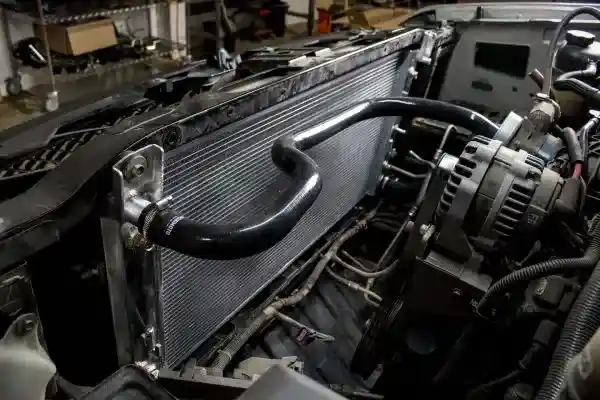
Understanding the Chevy Silverado Radiator Replacement Cost
On average, a chevy silverado radiator replacement cost falls between $450 and $900. While that might seem like a wide range, the final bill depends heavily on your engine size (4.3L V6 vs. 6.6L Duramax) and whether you choose a local independent shop or a high-priced dealership.
1. The Parts: Standard vs. Heavy Duty
A replacement radiator for a Silverado generally costs between $150 and $400.
- Standard Units: Perfect for daily drivers and light commuting.
- Heavy-Duty/Towing Units: These often feature extra rows of cooling fins and larger end tanks, ideal for those who frequently pull trailers or live in desert climates.
2. Labor and Fluids
Mechanics typically charge for 2.5 to 4 hours of labor. With shop rates averaging $110 to $170 per hour, labor adds $275 to $680 to the total. You also need to factor in the cost of fresh Dex-Cool coolant, which usually adds another $40 to $60.
Generational Cost Variations
The Chevy Silverado has evolved significantly over the years, and so has the complexity of its cooling system.
GMT800 Models (1999–2006)
These trucks are a mechanic’s dream. The engine bay is spacious, and the radiator is held in by simple brackets.
- Estimated Cost: $400 – $550.
- Common Issue: The plastic side tanks often crack due to age and heat cycles.
GMT900 Models (2007–2013)
These trucks began integrating more transmission and oil cooling lines into the radiator assembly.
- Estimated Cost: $500 – $700.
- Common Issue: Leaks at the quick-connect fittings for the transmission cooler.
K2XX & T1XX Models (2014–Present)
Modern Silverados have tighter engine bays and active grille shutters that must be carefully handled during a chevy silverado radiator replacement.
- Estimated Cost: $650 – $950.
- Common Issue: Small “pinhole” leaks in the aluminum core caused by road debris.
Top 5 Signs Your Silverado Needs a New Radiator
- Low Coolant Levels: If you’re constantly topping off your reservoir but see no puddles, the radiator may be leaking and evaporating the fluid instantly.
- Sludge in the Coolant: If your coolant looks like “strawberry milkshake,” your internal transmission cooler has failed, mixing oil and water—this is an emergency.
- Steam from the Grille: A clear sign of a pressurized leak spraying onto a hot engine.
- Bent or Clogged Fins: Dirt, bugs, and road salt can restrict airflow, causing the truck to run hot even if it isn’t leaking.
- Heater Stops Working: If the radiator is low on fluid, it cannot send hot coolant to the heater core, leaving your cabin freezing in winter.
How to Lower Your Replacement Cost
- The DIY Route: Replacing a Silverado radiator is a “Level 2” DIY job. If you have a basic socket set and a couple of hours, you can save the $400 in labor costs.
- Flush the System: When installing a new radiator, always flush the entire system. Putting old, dirty coolant into a brand-new radiator can lead to premature failure.
- Buy the Kit: Look for a kit that includes the radiator, a new cap, and a thermostat. Buying them together is often 15% cheaper than buying individual parts.
Frequently Asked Questions (FAQ)
Q1: Is the chevy silverado radiator replacement cost higher for a Diesel Duramax?
A: Yes. Diesel radiators are significantly larger and more expensive than gasoline versions. The total cost for a Duramax can easily exceed $1,200 due to the size of the unit and the volume of coolant required.
Q2: Should I repair a leak with “stop-leak” fluid?
A: No. Stop-leak products are a temporary fix that can clog your heater core and water pump. It is always better to pay the chevy silverado radiator replacement cost for a new unit than to risk clogging your entire engine’s veins.
Q3: How long should a Chevy Silverado radiator last?
A: Most OEM radiators last between 8 to 12 years or about 150,000 miles. Harsh environments and road salt can shorten this lifespan significantly.
Q4: Can a bad radiator cause transmission problems?
A: Absolutely. Most Silverado radiators contain a built-in transmission cooler. If the radiator fails or becomes clogged, your transmission fluid will overheat, leading to slipping and eventual transmission failure.
Q5: What is the most important part to replace along with the radiator?
A: The Radiator Cap. A faulty cap that doesn’t hold pressure will cause the engine to boil over even if the radiator itself is brand new.
Don’t Let a Small Leak Lead to a Big Bill
Your Chevy Silverado works hard for you every day. Maintaining the cooling system is the most effective way to protect your V8 engine’s longevity. Whether you are prepping for a cross-country haul or just want a reliable daily driver, a fresh radiator is the key to worry-free miles.