For owners of the BMW S1000R, S1000RR, S1000XR, and HP4, the engine’s mechanical soundtrack is part of the thrill. However, a common issue with these high-performance inline-four engines is the failure or inconsistency of the factory hydraulic cam chain tensioner. Upgrading to a Manual Cam Chain Tensioner is a critical move for riders looking to eliminate “start-up rattle” and ensure precise valve timing under high-RPM conditions.
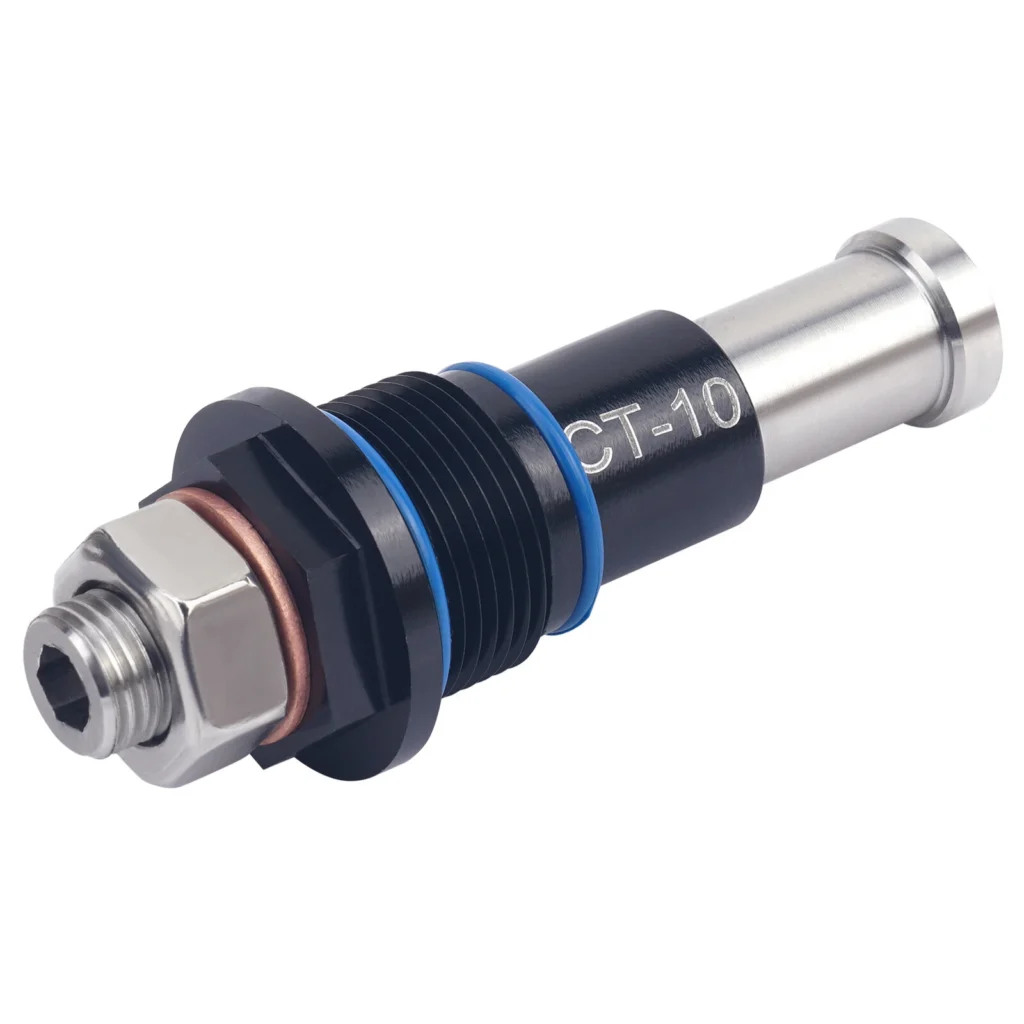
Product Features and Benefits
This manual tensioner is a CNC-machined performance part designed to replace the OEM hydraulic unit. Unlike the stock version, which relies on oil pressure, this manual version provides constant, mechanical tension.
- Eliminate Engine Noise: Stops the dreaded “ticking” or rattling sound caused by a loose timing chain during cold starts.
- Prevent Timing Jump: Vital for track use or aggressive riding, where sudden RPM changes can cause a hydraulic tensioner to collapse, leading to catastrophic engine failure.
- CNC Machined Durability: Crafted from 6061-T6 aluminum with high-tensile strength hardware, ensuring it won’t leak or fail like rubber-sealed hydraulic units.
- Anodized Finish: Available in various colors (Black, Silver, Blue, Gold) to match your BMW’s premium aesthetic while providing corrosion resistance.
Technical Specifications
- Fitment: BMW S1000RR (2009-2018), S1000R (2014-2019), S1000XR (2015-2019), and HP4 (2012-2014).
- Material: Billet 6061-T6 Aluminum.
- Adjustment Type: Bolt-and-Lock-Nut manual adjustment.
- Seal Type: Includes a high-temp O-ring or gasket to ensure zero oil leakage from the tensioner port.
Pros and Cons
| Pros | Cons |
| Reliability: No moving parts to fail; doesn’t rely on oil pressure. | Manual Maintenance: Requires occasional manual checks and adjustments (every few thousand miles). |
| Performance: Keeps valve timing consistent for maximum power output. | Installation Sensitivity: Over-tightening can cause premature wear on the chain and guides. |
| Cost-Effective: Often cheaper than replacing a faulty OEM hydraulic unit. | Technical Knowledge: Not a “set it and forget it” part; requires an ear for engine mechanics. |
Installation and Adjustment Guide
- Removal: Set your engine to Top Dead Center (TDC) on cylinder #1. Carefully remove the OEM hydraulic tensioner.
- Installation: Insert the Manual Tensioner with the provided seal. Thread the bolts by hand until the body is flush with the engine block.
- Adjustment: Screw the center bolt in by hand until it touches the chain guide.
- Fine Tuning: Start the engine. If you hear a rattle, slowly turn the bolt in $1/4$ turn at a time until the noise disappears. Caution: Do not over-tighten; you want just enough tension to remove the slack.
- Locking: Once the noise is gone, tighten the jam nut firmly against the tensioner body to lock the setting in place.
Why BMW S1000 Owners Need This
The BMW S1000 platform is a masterpiece of German engineering, but its hydraulic tensioners are known to weaken over time. For the HP4 or S1000RR used on the track, the constant fluctuating oil pressure can lead to inconsistent chain tension. A manual tensioner provides the peace of mind that your timing remains rock-solid, whether you’re commuting or hitting the rev limiter at 14,000 RPM.