For owners of classic 1970-1971 Ford vehicles, nothing defines the driving experience quite like the smooth power delivery of a well-tuned small block V8. The Motorcraft Model 2100 2-Barrel Carburetor is widely regarded as one of the most reliable and user-friendly fuel delivery systems ever engineered for the Ford 5.0L 302 engine. Whether you are restoring a vintage Mustang, F-100, or Torino, this “New-Old-Stock” style replacement ensures your classic runs with modern precision.
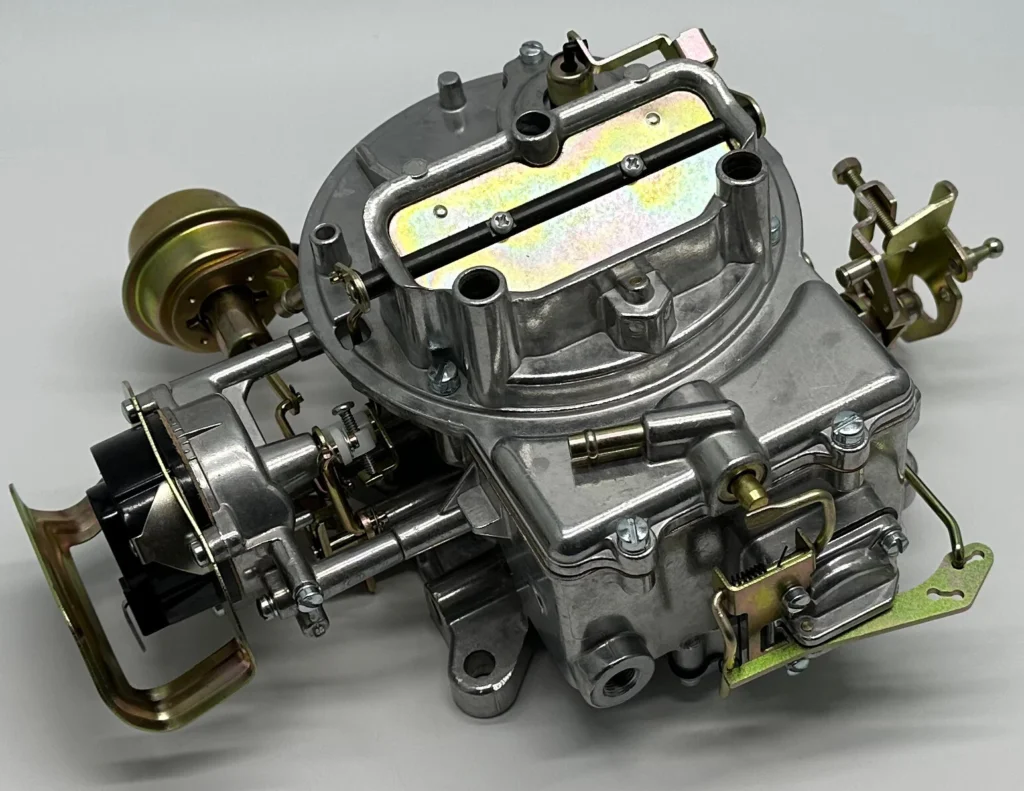
Product Features
The Model 2100 is celebrated for its simplistic design and legendary durability. This specific version is calibrated for the unique vacuum and fuel requirements of the early 70s Ford engines.
- Fixed Venturi Design: Provides excellent fuel atomization and consistent throttle response across all RPM ranges.
- Automatic Electric/Manual Choke Options: Designed to improve cold-start reliability, a common pain point for vintage car owners.
- Annular Discharge Boosters: Offers superior fuel mixing, which leads to smoother idling and improved low-end torque.
- Corrosion-Resistant Housing: Constructed from high-strength zinc or aluminum alloy to withstand modern ethanol-blended fuels.
Technical Specifications
- Engine Compatibility: Ford Small Block V8 5.0L (302 Cubic Inch).
- Year Fitment: 1970, 1971 (Also compatible with various 1964-1974 289/302 models).
- Barrel Count: 2-Barrel (2V).
- CFM Rating: Typically 287 to 350 CFM (depending on venturi size).
- Venturi Size: 1.08-inch (Standard for 302 high-efficiency applications).
- Mounting Flange: Standard Ford 2-bolt pattern.
Pros and Cons
| Pros | Cons |
| Ease of Tuning: Known as the easiest carburetor to tune; great for DIY hobbyists. | 2-Barrel Limit: Not designed for high-horsepower racing applications (4-barrel required). |
| Fuel Efficiency: Offers a better balance of MPG and power compared to larger aftermarket units. | Gasket Sensitivity: Requires high-quality mounting gaskets to prevent vacuum leaks. |
| Low Maintenance: Fewer moving parts mean less frequent rebuilding. | Ethanol Wear: Like all vintage designs, it requires occasional cleaning if using E10/E15 gas. |
Installation and Usage Guide
- Preparation: Ensure the engine is cool. Disconnect the battery and the fuel line (keep a rag handy for spills).
- Removal: Unhook the throttle linkage and vacuum lines. Remove the mounting nuts and lift the old carburetor.
- Surface Cleaning: Scrape away any old gasket material from the intake manifold. Pro Tip: Ensure no debris falls into the intake ports.
- Installation: Place the new gasket and the Model 2100 onto the studs. Tighten the nuts in an X-pattern to 12–15 ft-lbs of torque.
- Adjusting the Idle: Once started and warmed up, adjust the idle mixture screws (turn in until the engine stumbles, then out 1.5 turns) to find the “sweet spot” for a smooth idle.
Why Choose the Model 2100?
While many owners are tempted to “upgrade” to complex 4-barrel setups, the Model 2100 remains the king of reliability for daily-driven classics. It provides the exact vacuum signal the 1970-71 Ford 302 needs to operate efficiently without the “bogging” issues often found in oversized carburetors.